
Menelusuri Jejak Sejarah dan Revitalisasi Wisata Budaya di Jantung Jakarta
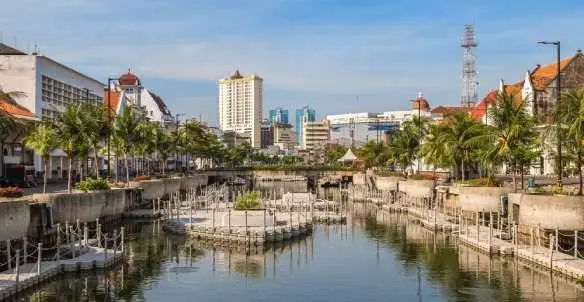
Jakarta, sebagai ibu kota Indonesia, adalah perpaduan unik antara modernitas dan warisan masa lalu. Di balik gemerlap gedung pencakar langitnya, kota ini menyimpan jejak-jejak sejarah yang kaya, menunggu untuk dijelajahi. Upaya revitalisasi yang gencar dilakukan oleh pemerintah kota telah berhasil menghidupkan kembali banyak situs budaya dan sejarah, menjadikannya destinasi wisata yang menarik bagi warga lokal maupun turis internasional.
Kota Tua: Permata Mahkota Sejarah Ibu Kota
Salah satu permata mahkota dari upaya revitalisasi ini adalah Kawasan Kota Tua Jakarta. Dengan bangunan-bangunan kolonial peninggalan Belanda yang megah, seperti Museum Fatahillah, Museum Wayang, dan Museum Bank Indonesia, pengunjung dapat merasakan kembali suasana Jakarta di era lampau. Jalan-jalan yang bersih, area pejalan kaki yang nyaman, serta berbagai festival budaya yang sering diadakan, membuat Kota Tua selalu ramai dikunjungi.
Pelabuhan Sunda Kelapa: Saksi Bisu Jalur Maritim
Selain Kota Tua, ada juga kawasan lain seperti Pelabuhan Sunda Kelapa yang merupakan saksi bisu jalur perdagangan maritim Nusantara sejak berabad-abad lalu. Pengunjung dapat melihat kapal-kapal pinisi tradisional berlabuh, merasakan hiruk pikuk pelabuhan, dan bahkan berlayar singkat menikmati pemandangan Teluk Jakarta. Revitalisasi di sekitar area ini juga mencakup penataan fasilitas umum dan peningkatan aksesibilitas.
Modernisasi Museum: Merawat Narasi untuk Masa Depan
Tidak hanya itu, sejumlah museum di jantung Jakarta, seperti Museum Nasional dan Museum Seni Rupa dan Keramik, juga telah mendapatkan sentuhan modernisasi tanpa menghilangkan esensi sejarahnya. Pameran interaktif, pemandu wisata yang berpengetahuan luas, serta program edukasi yang beragam, menjadikan kunjungan ke museum bukan hanya sekadar melihat-lihat, melainkan pengalaman belajar yang mendalam.
Catatan Penting: Revitalisasi ini tidak hanya bertujuan untuk melestarikan bangunan, tetapi juga untuk menghidupkan kembali narasi dan semangat di baliknya, agar generasi mendatang dapat terus belajar dan bangga akan warisan budaya mereka.